










In a world saturated with short-form content and dwindling focus, brands need more than just ads—they need meaningful moments. One underutilized yet highly effective tool is IP licensing —using beloved characters, stories, and cultural icons to breathe life into campaigns in a way that creates emotional connections and drives business results.
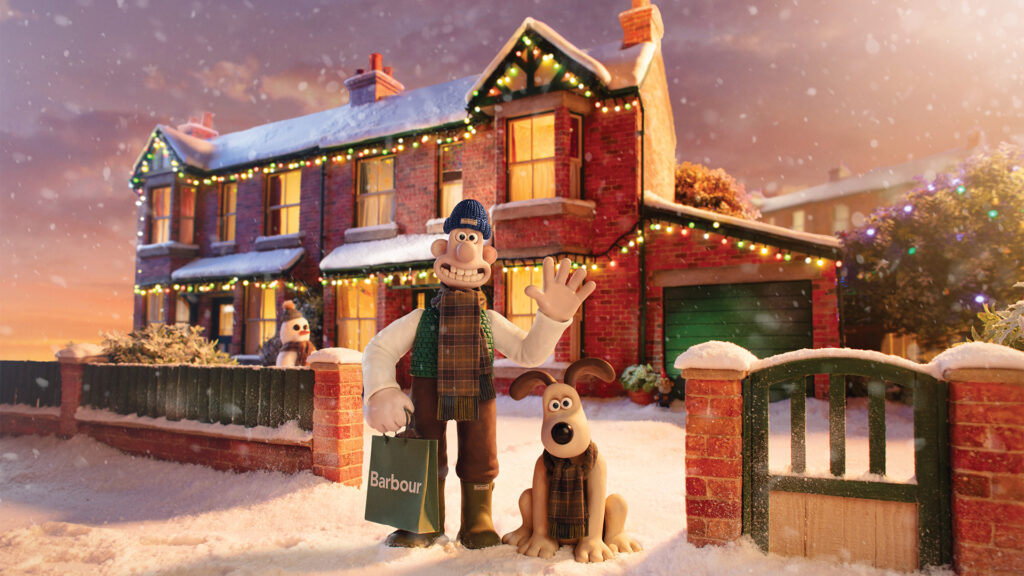
Image source: theindustry.fashion
Every Christmas season, we see this clearly demonstrated: Barbour x Wallace & Gromit, The Grinch x ASDA, The BFG x Sainsbury’s. These aren’t just advertisements; they are cultural events that evoke a sense of connection in viewers. That’s the power of IP when used correctly.
1. From a single campaign to a comprehensive ecosystem
Licensing isn’t a fleeting “gimmick,” but rather a way to build an ecosystem. The right IP can scale across multiple channels: TV, digital, packaging, retail, and experiences, transforming a single idea into a 360° story.
“Which IP can connect my campaign, product, and customers in an emotionally rich way?” – this isn’t just a question of image or character selection, but a matter of resonance. An effective IP needs to tap into customer insights, accurately reflect the brand’s spirit, and be flexible enough to tell different stories at each touchpoint. When IP has a “life” of its own – a personality, context, and emotion – it doesn’t just appear in advertising, but accompanies the customer throughout their experience: from seeing it on packaging, interacting on social media, to meeting in real life. At this point, IP becomes a sustainable emotional bridge, helping the brand not only to be recognized, but also remembered and loved.
2. “Emotional Shortcut” = Instant Connection
People have come to love these characters. Licensing allows brands to “borrow” a pre-established emotional foundation—and that very element is becoming a systemic competitive advantage in modern marketing.
According to industry research and reports, consumer behavior is increasingly driven by “emotional equity”—the emotional value that a brand or IP brings. When a character, a content world, or a cultural icon already has a dedicated fan base, the brand no longer has to start from scratch in building trust. Instead, they directly leverage the familiarity, nostalgia, and affection that the public already has for that IP. This explains why products associated with familiar IPs are often more easily chosen when consumers are considering their spending: the emotional factor can become a decisive turning point in purchasing behavior.
From a consumer psychology perspective, IP (Intellectual Property) not only attracts initial attention but also acts as an “emotional catalyst,” bridging the gap between brands and customers. Research in IP marketing shows that consumers tend to be attracted from the initial awareness stage when encountering a familiar image, and form long-term attachments if that IP reflects their cultural or personal values. In other words, IP not only helps “sell products,” but also “sell emotions”—something increasingly scarce in a saturated media environment.
Beyond simply attracting attention, licensing directly reinforces brand trust. When a beloved IP appears in a product or campaign, consumers tend to transfer their existing trust to the new brand. Brand awareness studies indicate that the reputation and image of the IP or licensing partner can strongly influence customer attitudes, satisfaction levels, and loyalty. This is why licensing often provides an “instant trust advantage”—something traditional advertising struggles to achieve in the short term.
The result is a chain reaction: familiarity accelerates attraction; emotions enhance memorability; and trust strengthens long-term relationships. In an increasingly fragmented market where consumers are constantly overwhelmed with information, licensing is not just a brand extension tactic, but a growth trigger: it helps brands reach customers faster, be remembered longer, and connect more deeply with them.
3. Stand out in a competitive market.
Familiar IPs not only offer recognition advantages but also serve as established “creative signals” in consumers’ minds. When a brand partners with an IP already deeply rooted in popular culture, the message of novelty, distinctiveness, and relevance is conveyed almost instantly—without lengthy explanations. This is why more and more brands are choosing these intentionally mismatched collaborations to create breakthroughs.
In reality, unexpected collaborations often generate a stronger viral effect than traditional campaigns. When Balenciaga partnered with Crocs , a luxury brand teamed up with a controversial mainstream fashion icon. The result was not only explosive social media attention but also a clear repositioning: Balenciaga became bolder and more unconventional, while Crocs entered the high-end fashion realm. Similarly, the collaboration between IKEA and LEGO transformed furniture into a part of a playful experience, making both brands more relatable and innovative in the eyes of consumers.
From a strategic perspective, these combinations act as a “cognitive boost.” An entertainment IP or cultural icon, when placed alongside a brand, pulls along its entire set of values, emotions, and fan base. When the combination is surprising yet logical, consumers are compelled to pay attention, become curious, and re-examine the brand from a new perspective. This is how a brand not only appears but also becomes part of the conversation in popular culture.
In other words, licensing in this case is not simply about leveraging popularity, but a repositioning tool. The right combination can refresh the brand image, expand the customer base, and, more importantly, transform the marketing campaign into a “cultural moment”—where the brand is not only seen, but also discussed and remembered.
4. Moving beyond advertising, into product and retail.
The greatest value is only truly unlocked when IP doesn’t exist as a “decorative layer,” but is integrated throughout the entire brand experience—from products to communications, from online to offline.
On packaging and promotional gifts, IP acts as a “first touchpoint,” helping the product stand out on the shelf and stimulating emotional purchasing behavior. At the point of sale (POS), displaying IP not only increases brand recognition but also creates a visual experience where customers can interact and remember the brand for longer. When developed into limited editions, IP further activates the collectible element and the “don’t want to miss out” feeling, thereby driving faster purchase decisions.
Simultaneously, digital activities and real-world experiences help IP “live” beyond the product. From social media content and mini-games to real-life events and activations, IP becomes a bridge that allows customers not only to see but also to participate, interact, and co-create with the brand.
This is the crucial intersection: where promotions are no longer simply discounts or short-term offers, but become a meaningful experience. When IP is implemented correctly, each touchpoint contributes to nurturing emotions, transforming initial attention into affection, and thus forming a lasting connection between the brand and the customer.
5. Implement effective licensing strategically.
Licensing only truly generates ROI when approached as a long-term strategy, rather than a short-term, opportunistic collaboration. Success lies not in “picking a famous IP,” but in how the brand manages the entire process—from selection and implementation to optimization.
First and foremost, IP selection should be based on a deep alignment with brand values and target audience. An IP may be very popular, but if it doesn’t resonate with the brand’s spirit, user base, or usage context, its effectiveness will be limited, or even disrupt its positioning. The right IP not only helps the brand “get noticed,” but also helps it “be understood correctly.”
Next, businesses need to clearly define their goals from the outset: increasing awareness, encouraging trials, boosting sales, or enhancing engagement. Each goal will dictate a different implementation approach—from channel selection and product format to performance measurement. Without clear goals, licensing can easily become a costly activity with difficult-to-assess true value.
From a commercial perspective, negotiations need to be conducted meticulously and strategically. Factors such as the scope of usage rights, the territory of exploitation, and the degree of exclusivity not only affect costs but also determine the brand’s scalability and competitive advantage in the long term.
Finally, an often overlooked but crucial element is internal coordination. Effective licensing requires early and synchronized involvement of marketing, product, and legal teams. When these departments are involved from the outset, the brand can ensure consistency in the experience while minimizing risks during implementation.
In short, licensing is not about “buying the right to use an image,” but rather a holistic management strategy. When implemented correctly, it not only delivers short-term benefits but also becomes a lever for sustainable brand growth.
6. How to get started
Effective licensing doesn’t start with finding IP, but with understanding yourself. Businesses need to systematically reassess their brand story and customer profile: what do they stand for, what do customers expect, and where do their emotional connections lie? This is the foundation for ensuring that all subsequent IP choices are meaningful, rather than merely decorative.
Therefore, identifying the right IP requires adhering to three core elements: brand voice, industry, and campaign message. An effective IP must not only be visually appealing but also play its role well—capable of naturally and persuasively continuing the brand story across all touchpoints.
Instead of launching on a large scale right from the start, a wise approach is to build experimental concepts. Businesses can begin with seasonal campaigns or pilot programs on a specific product category to test market reaction. This is a crucial stage for optimizing implementation, messaging, and experience format before scaling up.
Ultimately, tracking and measurement need to be continuous and clearly targeted—from engagement levels and conversion rates to long-term impact on brand awareness. When the data is robust enough, businesses can confidently scale up, turning an experiment into a sustainable growth platform.
If you already have a campaign underway, now is the time to ask the crucial question: “Can the right IP turn this moment into something unmissable?” Because sometimes, the difference isn’t about doing more—it’s about choosing the right “story” to tell.
7. Conclusion
Licensing is not simply about “borrowing a brand’s reputation,” but rather a way for brands to create emotions, build relevance, and gradually participate in the mainstream of popular culture. When implemented correctly, IP is not just an identifying element, but becomes the material for telling stories with depth—stories where customers not only observe, but also want to participate and engage.
In an increasingly competitive and fragmented market, brands that make a significant impact will be those that know how to use IP as a storytelling platform, rather than just a decorative tool. This is when each campaign transcends mere communication and becomes a meaningful and impactful experience.
At Lucia Agence , we approach licensing as a strategic solution—connecting the right IP with the right audience, in the right context, and with the right goals. This creates campaigns that not only stand out in the market but also drive retail performance and build sustainable brand value in the long term.